O Imperador
Arcanos maiores
Resumo da ARCANI
Normal
Estabilidade, poder e proteção; razão, convicção, autoridade e vontade.
Palavras-chave
- estabilidade
- poder
- proteção
- realização
- razão
- convicção
Invertida
Benevolência e crédito; também confusão para os inimigos, obstrução e imaturidade.
Palavras-chave
- benevolência
- compaixão
- obstrução
- imaturidade
Notas da imagem · Waite
Trechos das descrições das imagens de Waite, não interpretações adicionais da ARCANI.
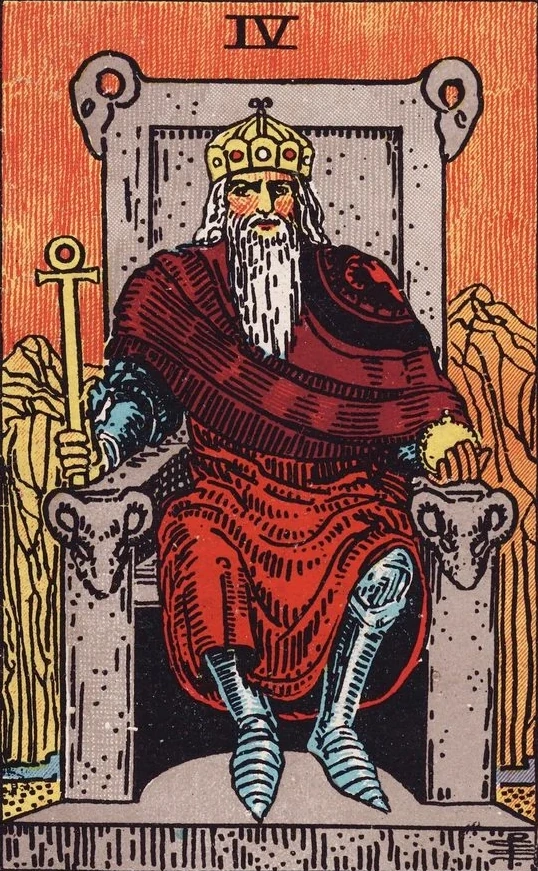
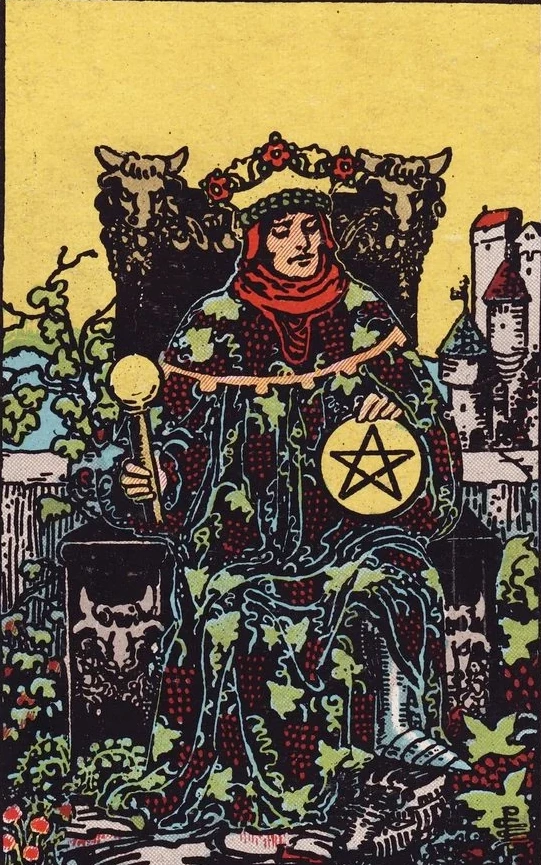
- Ele tem uma forma da Crux ansata para o seu cetro e um globo na mão esquerda
- Ele é um monarca coroado, comandante, imponente, sentado num trono, cujos braços são fronteados por cabeças de carneiro
- Ele é executivo e realização, o poder deste mundo, aqui revestido com os mais altos dos seus atributos naturais
- Ele é ocasionalmente representado sentado numa pedra cúbica, o que, no entanto, confunde algumas das questões
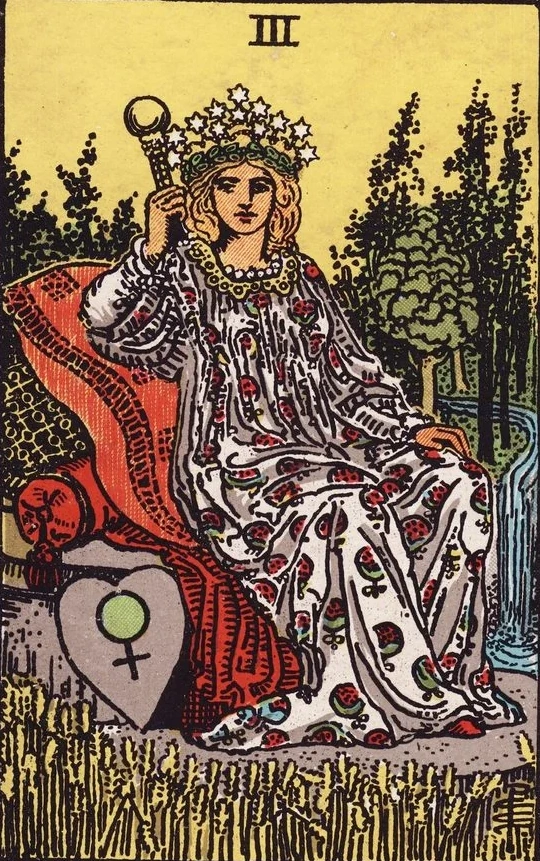
- Ele é o poder viril, ao qual a Imperatriz responde, e neste sentido é ele quem procura remover o Véu de Ísis
- mas ela permanece virgo intacta
- Deve-se entender que esta carta e a da Imperatriz não representam precisamente a condição da vida conjugal, embora este estado esteja implícito
- Na superfície, como indiquei, elas representam a realeza mundana, elevada nos assentos dos poderosos
- mas acima disto há a sugestão de outra presença
- Elas significam também, e a figura masculina especialmente, a realeza superior, ocupando o trono intelectual
- Disto é o senhorio do pensamento em vez do mundo animal
- Ambas as personalidades, à sua própria maneira, estão "cheias de estranha experiência", mas a delas não é conscientemente a sabedoria que extrai de um mundo superior
- O Imperador foi descrito como (a) vontade na sua forma encarnada, mas esta é apenas uma das suas aplicações, e (b) como expressão de virtualidades contidas no Ser Absoluto, mas isto é fantasia
Descrição da imagem por Waite
He has a form of the Crux ansata for his sceptre and a globe in his left hand. He is a crowned monarch—commanding, stately, seated on a throne, the arms of which are fronted by rams' heads. He is executive and realization, the power of this world, here clothed with the highest of its natural attributes. He is occasionally represented as seated on a cubic stone, which, however, confuses some of the issues. He is the virile power, to which the Empress responds, and in this sense is he who seeks to remove the Veil of Isis; yet she remains virgo intacta. It should be understood that this card and that of the Empress do not precisely represent the condition of married life, though this state is implied. On the surface, as I have indicated, they stand for mundane royalty, uplifted on the seats of the mighty; but above this there is the suggestion of another presence. They signify also—and the male figure especially—the higher kingship, occupying the intellectual throne. Hereof is the lordship of thought rather than of the animal world. Both personalities, after their own manner, are "full of strange experience," but theirs is not consciously the wisdom which draws from a higher world. The Emperor has been described as (a) will in its embodied form, but this is only one of its applications, and (b) as an expression of virtualities contained in the Absolute Being—but this is fantasy.