

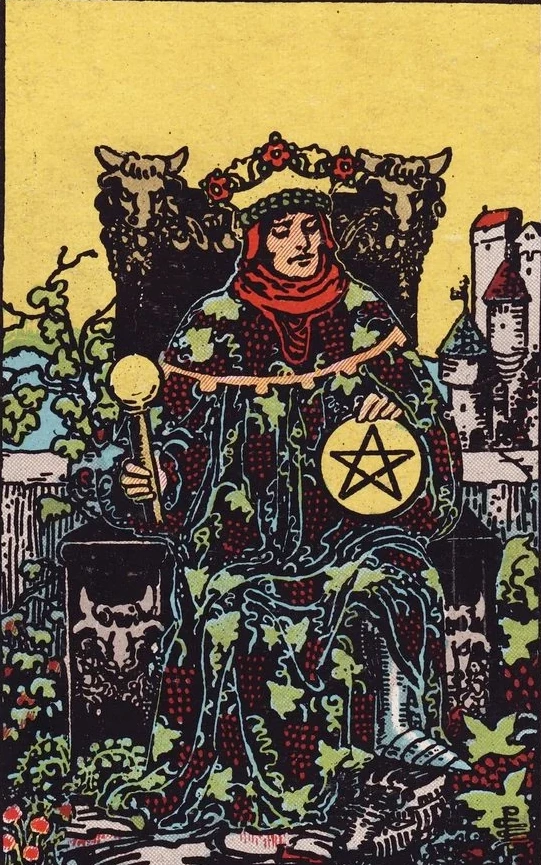
La Justicia
Arcanos mayores
Resumen de ARCANI
Al derecho
Equidad, rectitud y probidad; la parte justa que triunfa en la ley.
Palabras clave
- equidad
- rectitud
- probidad
- ley
- triunfo
Invertida
La ley en todos sus departamentos; complicaciones legales, fanatismo, sesgo, severidad excesiva.
Palabras clave
- ley
- complicaciones legales
- fanatismo
- sesgo
- severidad
Notas de la imagen · Waite
Extractos de las descripciones de las imágenes de Waite, no interpretaciones adicionales de ARCANI.
- Como esta carta sigue el simbolismo tradicional y conlleva sobre todo sus significados obvios, hay poco que decir sobre ella fuera de las pocas consideraciones recogidas en la primera parte, a la que se remite al lector
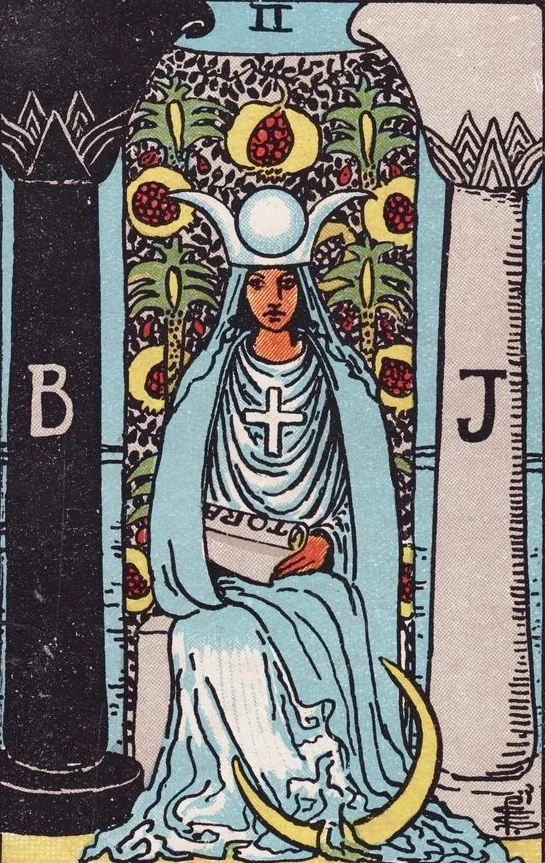
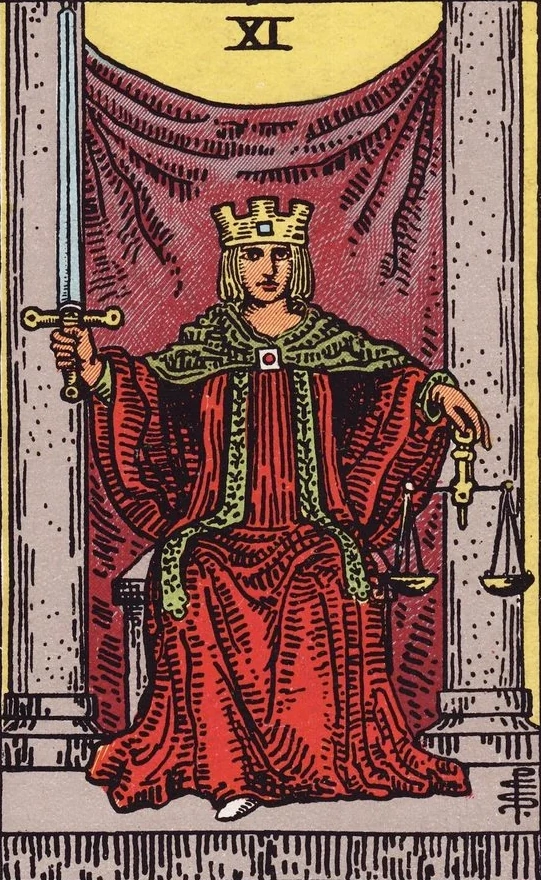
- Se verá, sin embargo, que la figura está sentada entre pilares, como la Sacerdotisa, y por ello parece deseable indicar que el principio moral que trata a cada hombre según sus obras, aunque está, por supuesto, en estricta analogía con las cosas superiores, difiere en su esencia de la justicia espiritual que está implicada en la idea de elección
- Esta última pertenece a un orden misterioso de la Providencia, en virtud del cual es posible que ciertos hombres conciban la idea de la dedicación a las cosas más altas
- La operación de esto es como el soplo del Espíritu donde quiere, y no tenemos canon de crítica ni fundamento de explicación al respecto
- Es análogo a la posesión de los dones de las hadas y de los dones elevados y los dones graciosos del poeta: los tenemos o no los tenemos, y su presencia es tanto un misterio como su ausencia
- La ley de la Justicia no está, sin embargo, implicada por ninguna de las dos alternativas
- En conclusión, los pilares de la Justicia se abren a un mundo y los pilares de la Sacerdotisa a otro
Descripción de la imagen de Waite
As this card follows the traditional symbolism and carries above all its obvious meanings, there is little to say regarding it outside the few considerations collected in the first part, to which the reader is referred. It will be seen, however, that the figure is seated between pillars, like the High Priestess, and on this account it seems desirable to indicate that the moral principle which deals unto every man according to his works—while, of course, it is in strict analogy with higher things—differs in its essence from the spiritual justice which is involved in the idea of election. The latter belongs to a mysterious order of Providence, in virtue of which it is possible for certain men to conceive the idea of dedication to the highest things. The operation of this is like the breathing of the Spirit where it wills, and we have no canon of criticism or ground of explanation concerning it. It is analogous to the possession of the fairy gifts and the high gifts and the gracious gifts of the poet we have them or have not, and their presence is as much a mystery as their absence. The law of Justice is not however involved by either alternative. In conclusion, the pillars of Justice open into one world and the pillars of the High Priestess into another.